
Volume 1, Number 2
In June and July 2025, West Africa witnessed a distressing surge in violence, particularly against Christian communities. One of the most heart-wrenching episodes occurred in Yelewata, Benue State, Nigeria, where a coordinated night attack by Fulani herdsmen spanned from 10:30 pm to 3:00 am on Saturday, June 14. Yelewata, a predominantly Christian farming community, became the latest victim of a pattern that has now become painfully familiar across Nigeria’s Middle Belt and beyond.
Over 200 individuals were reportedly killed, including a young pharmacy graduate. Eyewitnesses recounted how the attackers chanted “Allahu Akbar” while burning down homes and food stores worth over ₦27 million—deliberately targeting the people’s source of livelihood. While the Nigerian Inspector General of Police cited 47 deaths and 100 displacements, local activists and survivors provided much higher figures. Bodies were found charred in homes, on the streets, and even in churches. In one house alone, 40 people were slaughtered. In another, 30 people lost their lives. What was found at daybreak was a flood of blood in some houses. Pregnant women and the elderly were not spared.

Photo of a blood flood in one of the houses attacked. Credit: Verydark man video with eyewitnesses, June 2025
This atrocity is not isolated. The Fulani herdsmen crisis has evolved from spontaneous clashes into what survivors now see as systematic, militarised, and religiously motivated terror. The protesters in Benue were clear in their message. “We are standing on the dead bodies of our mothers, children and fathers,” cried Mimidoo Williams, one of the protest leaders. She added that more than 5,000 people had been displaced in Benue alone since 2024. Protesters carried rosaries, held placards, and wept publicly. Some walked with women and children who were left homeless and traumatised.
This pattern of violence is not limited to Nigeria. In Mali, the national army recently claimed victory against jihadists by capturing a key ISIS leader. Similar stories of Islamist violence have emerged from Burkina Faso, where Christian villages have been attacked, and Niger, where churches have been torched. The spread of jihadist groups in the Sahel and the weakening of state authority have made Christians and religious minorities easy targets.
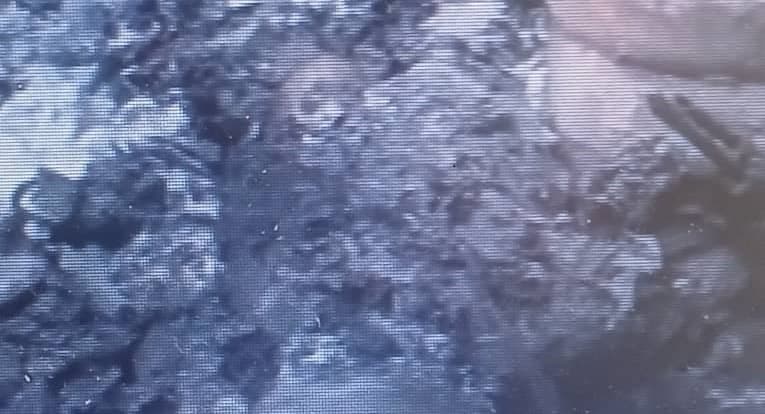
Photo of a man burnt beyond recognition in the Benue killing attack. Credit: Very dark survivor’s visit
Why is Benue, in particular, under constant siege? Two key reasons emerge: religion and land. Benue is Nigeria’s “food basket,” with vast fertile lands that support a thriving farming economy. It is also one of the states with the highest Christian population in the country. Survivors insist that the attacks are both an economic conquest and a religious persecution.
Despite warnings issued by the Fulani herdsmen before the attacks, security forces failed to respond decisively. Civil society figures such as human rights activist “Very Dark Man” visited Yelewata, confirming the scale of the massacre and amplifying survivor testimonies. His footage documented the mass destruction, confirming that women, children, and pregnant mothers were not spared.
As the region mourns, one truth rings clear: the blood of West Africa’s innocents is crying out for justice. Until there is a robust national and international response, Christian communities in Nigeria and across the region will continue to pay with their lives.
By: Godwin Adeboye